Installing a fence seems easy when you look at the finished job. A row of posts goes into the ground, panels fill the spaces, and a gate goes at the entrance. The tricky part happens before and during the actual work. A bad measurement here, a weak post there, and the whole fence can end up looking off. Common problems include poor planning, shallow post holes, rushed layouts, and choosing materials for price alone. Wood fences installation can also rise when those mistakes need fixing later. At Montco Fence, we spend time looking at the yard first because good fence work starts long before the first hole gets dug.
What Should You Check Before Installing a Fence?
A fence project should start with planning instead of digging. First, we review the property layout and measure the full fence line. A second measurement can catch simple mistakes early. It also helps us estimate materials with greater accuracy.
Property lines deserve close attention too. A fence placed in the wrong spot can create a costly dispute. We also check local rules, nearby structures, slopes, trees, and utility lines before work starts. Many projects become harder because someone starts digging before checking the ground.
At Montco Fence, we prefer a clear site plan before any post goes into the ground. This step helps us decide post locations, gate positions, fence height, and material needs. It also gives homeowners a better idea of Fence Installation Prices before the project moves forward.
Why Do Poor Measurements Cause Fence Problems?
Wrong measurements can affect almost every part of a fence project. A small error at the first corner can create a much larger gap by the final section. That can leave homeowners short on material or facing an awkward fence layout.
We always measure the full run instead of guessing from one section. We also check changes in grade because level ground and sloped ground require different approaches. A fence can follow the land while still keeping a clean appearance.
One common issue involves post spacing. Posts placed too far apart can reduce stability and cause sections to sag. Posts placed too close can increase labor and material use. We choose spacing based on the fence type, height, layout, and site conditions.
How Can Weak Fence Posts Damage an Installation?
Fence posts carry much of the load. When a post sits too shallow, shifts during setting, or receives poor support, the whole fence can move. Wind, wet soil, and repeated gate movement can make the problem worse.
Good installation starts with proper post depth and solid support. Soil conditions also matter because loose or wet ground may need extra care. Posts should sit firmly before panels or rails are attached.
We also pay attention to fence posts around gates. Gate posts handle more movement than standard posts. A weak gate post can cause dragging, sagging, and alignment issues. That is why gate sections deserve extra support from the start.
What Happens When Fence Materials Are Chosen Poorly?
Every fence material has different strengths, care needs, and installation requirements. Choosing material based only on appearance can lead to problems later. A homeowner may need privacy, pet control, low upkeep, or a decorative finish.
For example, a homeowner considering wood fences installation should think about moisture, soil contact, maintenance, and expected lifespan. Wood can suit many properties, but the right treatment and construction details matter.
Aluminum can work well for open views and lower maintenance needs. Still, material selection should match the property rather than follow a trend. When comparing options, we help customers look at long-term use instead of focusing only on the starting cost.

Why Should You Avoid Ignoring Property Lines and Permits?
A fence can look perfect and still create trouble when placed incorrectly. Property surveys, local setback rules, neighborhood requirements, and permit rules can affect the project. Local requirements vary, so checking early can prevent expensive changes.
We recommend confirming the property line before installation begins. Utility locations deserve the same attention. Digging into a buried line can create serious safety and repair issues.
At Montco Fence, we consider these details during project planning so the installation starts with fewer surprises. A clear layout gives homeowners a better path toward predictable Fence Installation Prices and a smoother installation.
How Can Poor Drainage Affect a New Fence?
Water creates problems for many outdoor structures. When water remains around posts, soil can weaken, and materials can age faster. Poor drainage becomes even more important on sloped properties or areas with heavy runoff.
Look at how water moves through the yard before finalizing the fence line. A fence should work with the property rather than fight natural drainage patterns. In some areas, small layout changes can help reduce long-term moisture problems.
We also inspect ground conditions before installation. Firm soil can support posts differently from loose, sandy, or wet soil. Good planning helps us choose an installation approach that fits the site instead of using one method for every property.
Why Is Gate Installation Often Overlooked?
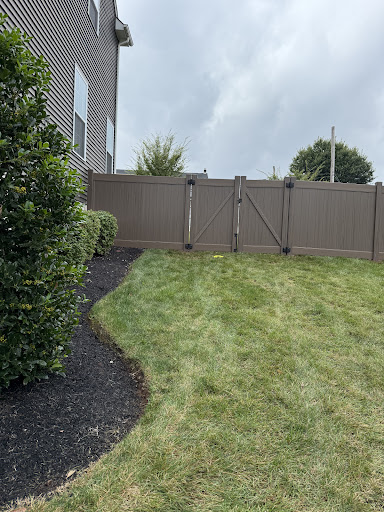
A fence may look great while the gate causes daily frustration. Gates need proper support, alignment, spacing, and hardware. Heavy gates can place extra pressure on posts and hinges.
The gate should open smoothly without scraping the ground. Latches should line up correctly, and clearance should suit the surface below. A little extra attention during installation can prevent repeated adjustments later.
We treat the gate as part of the main system rather than an afterthought. We check gate hardware, post support, opening width, and surrounding grade before finishing the project.
What Installation Shortcuts Should You Avoid?
Shortcuts often save minutes during installation and create hours of repair later. Rushing post setting, skipping layout checks, using poor fasteners, or attaching panels before posts settle can affect the final result.
A proper installation also requires attention to each connection. Rails should line up, panels should sit correctly, and fasteners should match the material. Every section should support the next section.
We believe quality comes from doing each basic step correctly. That approach may take more care at the start, but it can reduce future repairs and adjustment work.
Common mistakes worth checking before work starts:
- Measure the full fence line carefully.
- Confirm property lines and local requirements.
- Check buried utility locations before digging.
- Choose materials around actual property needs.
- Set posts with proper support and spacing.
- Plan gates around weight, clearance, and use.
- Review drainage and soil conditions early.
- Inspect every connection before the project ends.
Ready To Build A Fence That Lasts For Years?
Talk To Our TeamHow Can Homeowners Keep Fence Installation Costs Under Control?
The best way to manage costs is to plan before buying materials. Compare fence styles, heights, layouts, gates, and maintenance needs first. A simple design may reduce labor while still meeting the main purpose.
Cheap materials can also become expensive after repairs and replacement work. At the same time, the most expensive material may offer features a property never needs. We help customers weigh the practical value of each option.
For metal fencing, working with the right aluminum fence company can also make the process easier. Experience with layout, material handling, gates, and site conditions can reduce avoidable installation errors.
Final Thoughts
Most fence installation problems start before the first hole gets dug. Poor measurements, weak posts, bad drainage planning, and rushed gate work can all create trouble later. Careful planning gives a project a much better chance of lasting.
At Montco Fence, we focus on the practical details that shape the finished result. A strong installation should suit the property, meet the intended purpose, and provide clear value for the money spent. That approach also makes wood fences installation easier to understand before work begins.