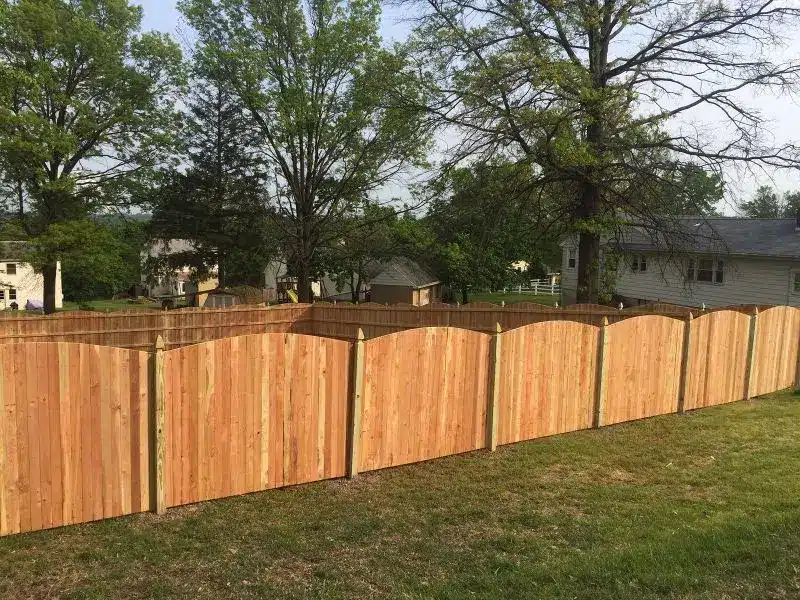
Starting a wood fence installation project sounds simple. It feels like just picking wood and building a fence. That idea looks easy at first glance. However, real projects need planning, smart choices, and clear goals from day one.
We always tell homeowners this: a fence works well when planning happens first. A rushed decision leads to extra costs and poor results later. At Montco Fence, we guide clients through every step so each project runs smoothly. A fence adds value, security, and style when done right.
Why Planning Comes First?
A fence project begins before any wood arrives. Clear planning saves money and stress. You need to define the purpose first. A fence for privacy needs a different design than a decorative one. A pet fence also needs different spacing and height.
Here is what planning should include:
- Property boundaries check to avoid disputes
- Local rules and permits to stay compliant
- Budget setup for materials and labor
- Timeline planning for smooth installation
However, skipping even one of these steps creates problems later. We have seen delays and rebuilds caused by poor planning.
Choosing The Right Wood Matters
Wood type changes how your fence looks and lasts. Some woods resist the weather better than others.
Popular options include:
- Cedar – natural resistance to rot and insects
- Pine – affordable and easy to treat
- Redwood – strong and visually rich
Each type comes with a different cost and lifespan. Therefore, choosing the cheapest option may increase long-term maintenance costs. We often recommend matching wood type with climate conditions. This approach helps fences last longer with less effort.
Understanding Fence Design Options
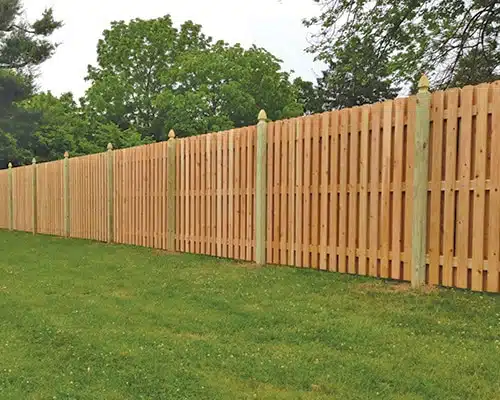
Design shapes how your fence performs and looks. A good design balances function and style. Common styles include:
- Privacy fences for full coverage
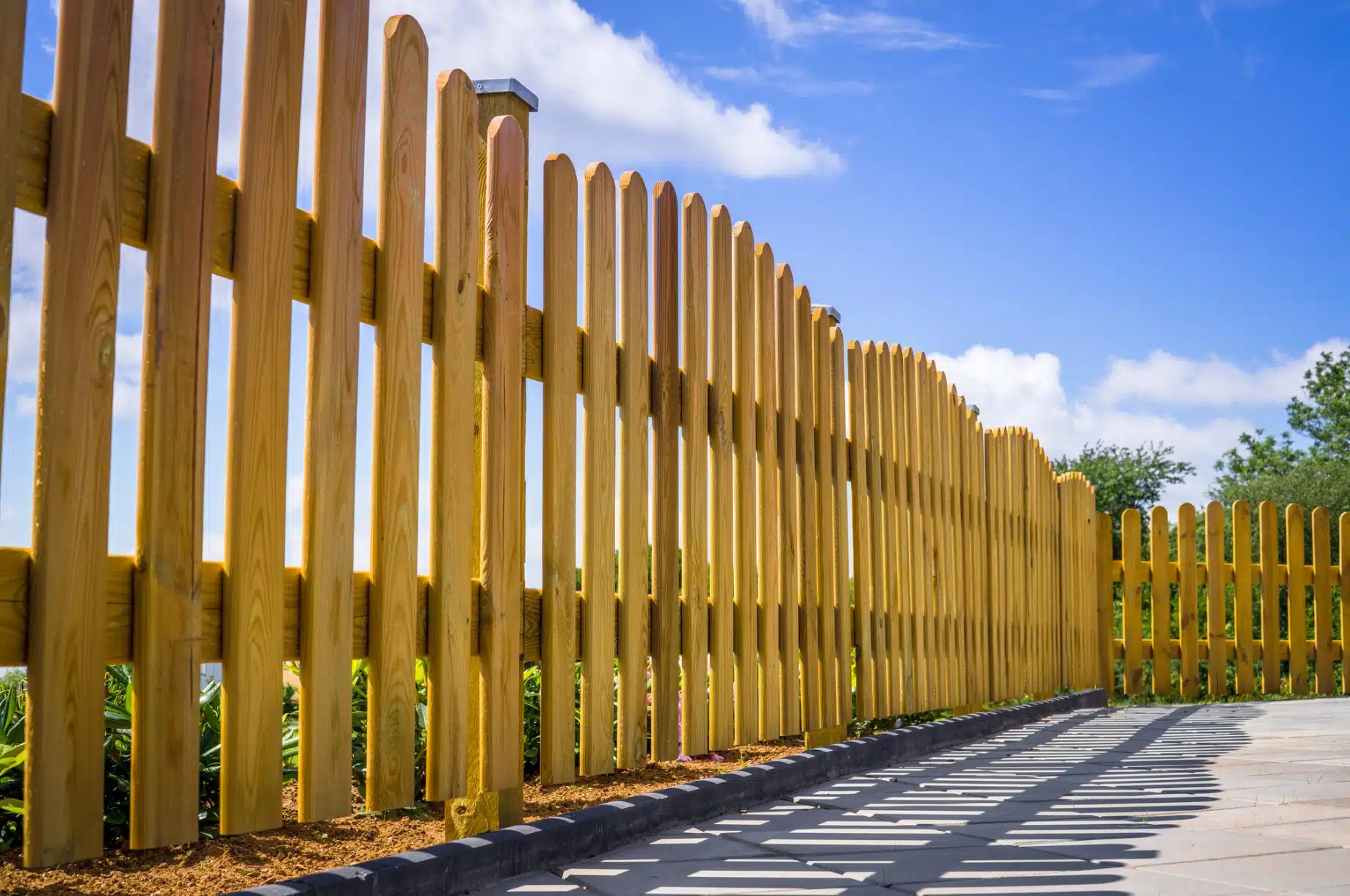
- Picket fences for classic curb appeal
- Horizontal slat fences for modern homes
In addition, height and spacing also affect durability and security. A taller fence adds privacy but may need stronger support posts. At Montco Fence, we help match design choices with real-life needs. This step prevents regrets after installation.
Budgeting Beyond Materials
Many homeowners think only about the cost. That is a common mistake. A complete budget should include:
- Labor charges
- Post installation and concrete
- Hardware like nails and hinges
- Maintenance supplies
Moreover, unexpected costs often appear during digging or leveling. Therefore, always keep a small buffer in the budget. We always suggest planning for both upfront and future costs.
Installation Process: What to Expect?
The installation process follows a clear sequence. Understanding it helps avoid confusion. Typical steps include:
- Site preparation and marking
- Digging post holes
- Setting posts with concrete
- Attaching rails and panels
- Final inspection and adjustments
However, weather conditions can delay work. Rain or uneven soil often slows progress. A professional team ensures every step gets done the first time correctly.
Maintenance is Part of the Deal
A wood fence needs regular care. This step keeps it strong and attractive. Basic maintenance includes:
- Cleaning dirt and mildew
- Applying sealant or stain
- Checking for loose boards
Hence, skipping maintenance reduces fence life quickly. A well-maintained fence lasts years longer than a neglected one. We always educate homeowners about long-term care. This approach protects the investment.
Comparing With Other Fence Options
Some homeowners compare wood with metal options, which is a smart move. An aluminum fence company often offers low-maintenance solutions, as aluminum fences resist rust and need less upkeep. Similarly, a vinyl fence contractor can provide durable, low-maintenance fencing that does not require painting or staining.
However, wood still wins in natural beauty and customization. Therefore, the final choice depends on your priorities. At Montco Fence, we help homeowners compare both options clearly. This guidance helps clients make confident decisions.
Common Mistakes to Avoid
Avoiding mistakes saves time and money. Here are common issues we see:
- Skipping permits and legal checks
- Choosing the wrong wood for the climate
- Ignoring proper spacing and alignment
- Underestimating maintenance needs
Moreover, hiring unskilled labor creates long-term problems. A poor installation often needs repairs within a year. Working with experienced professionals prevents these issues.
Conclusion
A successful wood fence installation project depends on smart planning, the right materials, and proper execution. A fence is more than a boundary. It adds value, security, and style to your home.
At Montco Fence, we focus on clear guidance and quality results. Whether you choose wood or explore options from an aluminum fence company, the goal remains the same. Build it right the first time.